Cactus Succulents Collection Redwork: A Designer’s Review
First Impressions: Clean Lines Meet Desert Charm
When I first opened the Cactus Succulents Collection Redwork file, the immediate feeling was calm and intentional. This is not a loud, over-stitched set of botanical motifs. The redwork approach gives each cactus and succulent shape a crisp, almost hand-drawn personality. The linework feels delicate without being fragile, and the collection carries a subtle vintage warmth that reminds me of classic embroidery samplers but with a modern plant-lover twist.
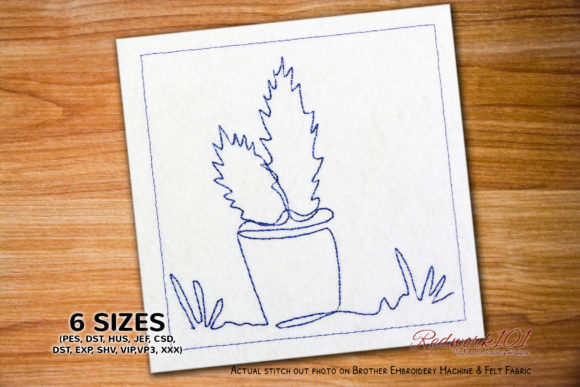
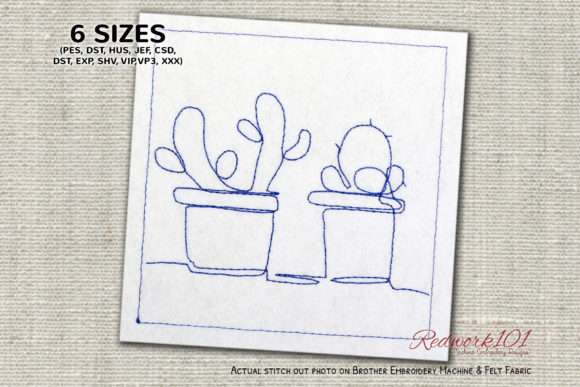
What stood out right away was how the designer handled the silhouette variety. Tall saguaro forms, rounded barrel cacti, trailing succulent rosettes, and small potted arrangements all appear in the set. Each one holds its own visual weight, which means you are not stuck repeating the same shape across a project. The collection feels curated for someone who wants to build a scene or scatter motifs naturally across a product rather than place one isolated graphic.
The optional box stitch mentioned in the design notes is a thoughtful detail. I appreciate that the outer box is not forced into every design. In some pieces, the box frames the cactus beautifully and adds a tile-like structure. In others, skipping it lets the plant shape breathe on its own. The color variation of the outer box across designs also gives flexibility. If you are working on a light linen background, a darker box outline can anchor the motif. On a darker fabric, you might choose to omit the box entirely and let the red thread do all the talking.
Where This Redwork Collection Truly Belongs
Redwork has a specific strength: it reads clearly on natural fabrics, ages gracefully, and appeals to buyers who love handcrafted tradition. The Cactus Succulents Collection Redwork fits that niche perfectly. I immediately pictured it on a set of unbleached cotton kitchen towels, each one featuring a different succulent from the collection. The repetition of red thread across the towels would create a cohesive, boutique-ready set that feels intentional and giftable.
Another strong use case is custom apparel with a southwestern or botanical aesthetic. A oversized sweatshirt with a single tall cactus motif on the chest, stitched in deep rust red on cream fabric, would sell quickly at a craft fair or in an Etsy shop. The design is simple enough to appeal to minimalists but detailed enough to feel special. That balance is hard to find in machine embroidery, and this collection hits it well.
For tote bags, the designs work beautifully as a centerpiece or a corner accent. I tested a mental mockup placing one of the rounder succulent motifs near the bottom right of a canvas tote, and the proportion felt right. The stitch density appeared reasonable for a medium-weight canvas, and the redwork style stands up to the texture of the fabric without getting lost. Tote bags are a high-margin product for many small shops, and a design that stitches out cleanly and quickly is a practical asset.
Baby and nursery items are another natural fit. The Cactus Succulents Collection Redwork has a soft, storybook quality that lends itself to baby blankets, bibs, and onesies. The single-color approach keeps the back of the embroidery less dense than multi-color fills, which matters for comfort against delicate skin. Parents browsing for personalized nursery decor often respond to nature themes, and succulents have a broad, gender-neutral appeal.
Thinking Through the Customer’s Eyes
When I evaluate any embroidery design for a client project or a product listing, I ask one question: what does the finished piece communicate to the buyer? With this collection, the message is clear. It says thoughtful, handmade, and quietly stylish. The redwork tradition carries a sense of care and nostalgia, while the cactus theme keeps it current. A customer picking up a pillow cover with one of these designs will likely feel they are holding something made with intention, not mass-produced.
Giftability is high here. A set of embroidered napkins, each with a different succulent from the collection, would make a beautiful housewarming or wedding gift. The single-color red thread keeps the set unified even when the motifs change. That kind of variety within a cohesive look is exactly what makes a handmade product feel premium.
For Etsy sellers and small shop owners, the visual consistency of the collection also helps with product photography. When your listings share a similar thread palette and design language, your shop page looks more professional. Buyers scrolling through will recognize the style immediately, which builds trust and encourages multi-item purchases.
Real Project Testing: The Tote Bag That Taught Me Something
I recently prepped a batch of canvas tote bags for a local boutique order. The client wanted a desert botanical theme, and I pulled the Cactus Succulents Collection Redwork into my software to test layouts. I chose a medium-weight natural canvas, a 40-weight cotton thread in a warm terracotta red, and a medium cutaway stabilizer. The first test stitch was one of the taller saguaro designs without the optional box stitch.
The result was cleaner than I expected. The running stitch lines that define the cactus ribs held their clarity on the textured canvas. There was no puckering around the edges, and the stitch density was appropriate for the fabric weight. The design stitched out faster than a filled design would, which matters when you are producing a dozen units. Time is money in a small business, and a design that looks high-end but stitches efficiently is a real win.
I also tested one of the round succulent motifs on a dark charcoal canvas with a lighter brick-red thread. The contrast was striking, and the shape read clearly from a distance. On dark fabric, the detail lines inside the succulent needed a bit more attention. I increased the thread tension slightly and slowed the machine speed, and the result was crisp. The lesson here is that dark backgrounds demand a thread color with enough warmth to pop without looking harsh. A bright true red can feel aggressive on black, but a muted rust or cranberry shade keeps the redwork charm intact.
Practical Considerations Before You Stitch
Every experienced embroiderer knows that a design file is only as good as the prep work around it. The Cactus Succulents Collection Redwork holds up well, but there are a few areas where a little extra care goes a long way.
First, check your hoop size. Some of the taller cactus designs may require a larger hoop than the round succulent motifs. If you are working with a standard 4x4 inch hoop, measure the design dimensions before you commit. The collection seems to include a range of sizes, but you should always confirm the actual stitch area in your software.
Second, fabric choice is critical for redwork. Loosely woven fabrics like linen and cotton blends take the running stitches beautifully. Stretchy fabrics like jersey or performance knits are trickier. The linework can distort if the fabric shifts during stitching. Use a fusible stabilizer or a topper if you are working on anything with stretch, and test on a scrap piece before you stitch on the final garment.
Third, think about thread color beyond traditional red. The term redwork implies red thread, but the collection works equally well in navy, olive green, charcoal, or even metallic gold for a holiday twist. A deep forest green on natural linen gives the succulents a monochromatic botanical look that feels fresh and contemporary. Do not limit yourself to one shade. Test a few options on your chosen fabric and see what speaks to you.
Where to Use the Design Carefully
While the Cactus Succulents Collection Redwork is versatile, there are scenarios where I would exercise caution. Thin fabrics like lightweight t-shirts or sheer blouses can struggle with any embroidery that has dense running stitches clustered together. The design is not overly dense, but on delicate fabric, you may see shadowing or pulling. Use a lightweight stabilizer and consider a wash-away topper for the cleanest result.
Caps and hats are another tricky surface. The curved nature of a cap can distort the taller cactus shapes, especially if the design runs close to the seam. If you want to use a motif from the collection on a cap, pick one of the shorter, rounder designs and position it on the front panel where the surface is flattest. The optional box stitch can help stabilize the shape on curved surfaces, so keep that in mind.
Layered garments with zippers, pockets, or seams near the embroidery area also require careful placement. The clean linework of these designs looks best when the fabric surface is uninterrupted. A cactus motif stitched over a seam will lose its crisp outline, and the visual impact diminishes quickly.
How the Design Affects Product Value and Branding
Using the Cactus Succulents Collection Redwork on your products does more than add decoration. It shapes how customers perceive your brand. The redwork style signals a connection to traditional handcraft, which many buyers associate with quality, care, and authenticity. If your shop markets itself as a maker of heritage-inspired goods or modern heirloom pieces, this collection aligns with that identity perfectly.
The consistency of the single-color approach also makes your product line look cohesive. A pillow cover, a tea towel, and a baby bib from the same collection will photograph beautifully together. Buyers browsing your listings will see a unified aesthetic, which increases the perceived value of each individual item. That kind of brand clarity is what separates a hobbyist from a professional craft business.
For digital product sellers, the collection offers strong mockup potential. The clean linework translates well to flat lay previews and lifestyle mockups. You can easily show the design on multiple product types without the mockup feeling cluttered. That versatility helps when you are building a product listing or a portfolio page for your design assets.
Designer’s Notes for a Smooth Stitch-Out
- Always test the design on scrap fabric that matches your final project material. Thread tension and stitch density can behave differently across fabric types.
- Check thread color contrast before committing. A red that looks great on white cotton may wash out on beige linen or look harsh on black canvas.
- Review the stitch density in your software. The design appears well-balanced, but if you resize it, watch for areas where the running stitches may become too tight or too sparse.
- Confirm the hoop size fits the design comfortably. Cramped hooping leads to misalignment and frustration.
- Inspect small details after the first test stitch. The spines and inner lines of the succulents should be clear and distinct. If they are not, adjust your stabilizer or slow down your machine speed.
- Test the design in a black and white mockup to see how the linework holds up without color. This helps you understand the shape strength and visual weight.
- Compare the design on light and dark fabric backgrounds. The same thread color can read very differently depending on the fabric.
- Use a proper stabilizer for your fabric type. Cutaway for knits, tear-away for wovens, and a topper for textured or napped fabrics.
- Check the licensing terms before selling finished items or including the design in digital product bundles. Verify commercial use rights if you plan to sell embroidered goods.
- Decide early whether to include the optional box stitch. The frame can add structure or feel unnecessary depending on the product. Test both versions.
Final Thoughts Before You Start Your Project
The Cactus Succulents Collection Redwork is a well-thought-out set that bridges the gap between traditional embroidery charm and modern botanical trends. It is not a design that screams for attention. It whispers, and that whisper carries beautifully across fabric, thread, and finished product. For makers who want their work to feel personal, timeless, and quietly sophisticated, this collection delivers.
Whether you are stitching a single tote for a friend, building a product line for your Etsy shop, or preparing a custom apparel order for a boutique client, this design set gives you the flexibility to create something that feels genuinely handmade. The optional box stitch, the variety of cactus shapes, and the clean redwork style make it a practical, adaptable choice for real embroidery projects.
Take the time to test, choose your thread thoughtfully, and let the simplicity of the linework do the heavy lifting. Sometimes the most effective designs are the ones that do not try too hard. The Cactus Succulents Collection Redwork understands that, and your finished products will show it.